
Ever wondered about the electrifying world of online gaming tournaments? From humble beginnings, these digital battlegrounds have exploded into a global phenomenon, drawing millions of players and spectators alike. Imagine the adrenaline rush of competing against the best, the roar of the virtual crowd, the thrill of victory (or the sting of defeat!). This isn’t just gaming; it’s a spectacle, a sport, a community – a captivating blend of skill, strategy, and sheer entertainment.
We’ll explore the fascinating evolution of online gaming tournaments, from their early days to their current status as a multi-billion dollar industry. We’ll delve into the different types of tournaments, the technology powering them, and the vibrant communities they foster. Get ready for a deep dive into the exciting world of competitive online gaming!
Popularity and Growth of Online Gaming Tournaments
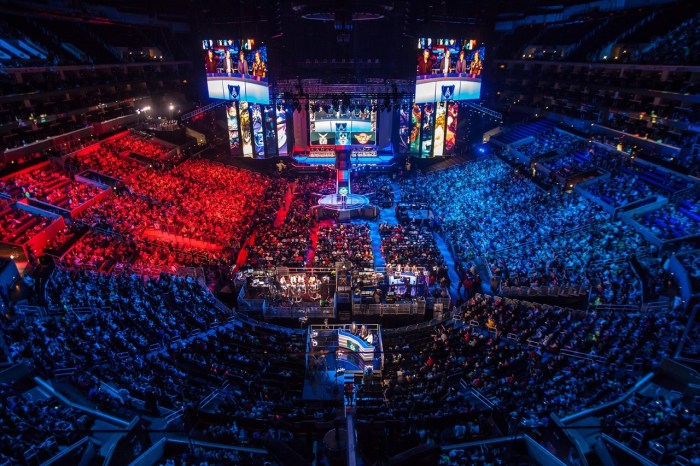
The rise of online gaming tournaments represents a fascinating intersection of technological advancement, competitive spirit, and global community building. From humble beginnings in dial-up modem days to the multi-million dollar spectacles we see today, the evolution of these events mirrors the growth of the internet itself. This explosive growth is fueled by factors ranging from increased internet accessibility and improved streaming technology to the inherent human desire for competition and the thrill of victory.
Historical Evolution of Online Gaming Tournaments
Early online gaming tournaments were largely grassroots affairs, organized through bulletin board systems and early internet forums. Games like
- Doom* and
- Quake* provided the competitive arenas, with players connecting via dial-up modems to battle for bragging rights and often, small cash prizes. The advent of broadband internet dramatically increased the potential for larger, more organized events. Games like
- StarCraft*,
- Counter-Strike*, and
- Warcraft III* propelled the scene forward, fostering dedicated communities and professional players. The emergence of streaming platforms like Twitch and YouTube further amplified the visibility and popularity of these events, transforming them into globally watched spectacles. The transition from small, localized competitions to internationally recognized championships with massive prize pools marked a pivotal moment in the history of online gaming tournaments.
Popularity of Different Online Gaming Tournament Genres
The popularity of different online gaming tournament genres fluctuates depending on various factors including game releases, meta shifts, and overall player base. Multiplayer Online Battle Arenas (MOBAs) like
- League of Legends* and
- Dota 2* consistently attract massive viewership and participation, renowned for their complex strategies and team-based gameplay. First-Person Shooters (FPS) games, such as
- Valorant*, maintain immense popularity due to their fast-paced action and high skill ceiling. Strategy games, encompassing titles like
- StarCraft II* and
- Age of Empires IV*, appeal to a dedicated audience valuing strategic depth and long-term planning. The relative popularity of each genre is a dynamic landscape, with trends shifting based on new game releases and evolving player preferences.
Counter-Strike
Global Offensive* and
Key Factors Contributing to the Growth of the Online Gaming Tournament Market
Several interconnected factors have driven the remarkable growth of the online gaming tournament market. The widespread adoption of high-speed internet has eliminated many of the technical barriers that previously limited participation. Improved streaming technology allows for seamless broadcasting to global audiences, creating a vast and engaged viewership. The rise of esports organizations and professional players has provided a structure and legitimacy to the competitive scene, attracting sponsorships and investments.
Furthermore, the increasing accessibility of high-quality gaming hardware has lowered the barrier to entry for aspiring competitors. Finally, the inherent social aspect of online gaming, fostering community and camaraderie among players, significantly contributes to the enduring appeal and growth of these tournaments.
Growth of Prize Pools in Major Online Gaming Tournaments (Last 5 Years)
The following table illustrates the significant increase in prize pools for some of the most prominent online gaming tournaments over the past five years. Note that this is not an exhaustive list and represents a selection of major events. Prize pool figures can vary slightly depending on the source and inclusion of crowdfunding.
| Year | Tournament Name | Game | Prize Pool (USD) |
|---|---|---|---|
| 2019 | The International 2019 | Dota 2 | 34,330,068 |
| 2020 | The International 10 | Dota 2 | 40,018,195 |
| 2021 | The International 10 (delayed from 2020) | Dota 2 | 40,018,195 |
| 2022 | The International 2022 | Dota 2 | 16,600,000 |
| 2023 | The International 2023 | Dota 2 | (Estimate: 20,000,000+) |
| 2019 | League of Legends World Championship | League of Legends | 2,225,000 |
| 2020 | League of Legends World Championship | League of Legends | 2,225,000 |
| 2021 | League of Legends World Championship | League of Legends | 2,225,000 |
| 2022 | League of Legends World Championship | League of Legends | 2,225,000 |
| 2023 | League of Legends World Championship | League of Legends | (Estimate: 2,500,000+) |
Types of Online Gaming Tournaments
The world of competitive online gaming is vast and varied, offering a thrilling array of tournament structures and formats to suit every player’s skill level and preference. Understanding these different types is crucial for both aspiring competitors and organizers looking to create engaging and successful events. This section will explore the diverse landscape of online gaming tournaments, from their fundamental structures to the platforms that host them.
Tournament Structures
Tournament structure dictates how competitors progress through the competition. The choice of structure significantly impacts the overall experience, influencing the number of matches played, the length of the tournament, and the level of competitiveness.
- Single-Elimination: This classic format sees players eliminated after a single loss. It’s fast-paced and dramatic, with each match carrying high stakes. The winner is the last player remaining undefeated.
- Round-Robin: Every competitor plays against every other competitor once. This ensures a fair assessment of skill, as players face a diverse range of opponents. However, it can be time-consuming, especially with a large number of participants.
- Swiss-System: A hybrid approach combining elements of both single-elimination and round-robin. Players are paired based on their current record, leading to more balanced matchups throughout the tournament. This system offers a good balance between competitiveness and fairness, minimizing the impact of early upsets.
Tournament Formats
Beyond the structure, the format defines how players participate in the tournament. This aspect can greatly influence the level of teamwork and individual skill required.
- Individual: Players compete as individuals, showcasing their personal skill and strategic prowess. This format is common in games emphasizing individual mastery.
- Team-Based: Players form teams and compete collaboratively. This requires coordination, communication, and strategic synergy, emphasizing teamwork above individual brilliance. Team-based tournaments often have a captain or leader to coordinate strategies.
- Ladder-Based: Competitors climb a ranked ladder, playing matches to improve their position. This format is ongoing, without a defined start or end date. Players earn points or rankings based on their wins and losses, fostering continuous competition and skill improvement. Examples include the ranked modes in many popular online games.
Popular Online Gaming Tournament Platforms
Several platforms facilitate the creation and execution of online gaming tournaments, each offering unique features and capabilities.
- Battlefy: Known for its user-friendly interface and robust tournament management tools, Battlefy allows organizers to easily create and manage various tournament formats, including custom brackets and prize pools. It supports a wide range of games.
- Smash.gg: Primarily focused on fighting games, Smash.gg offers a sophisticated system for creating and running tournaments, with advanced features for tracking player performance and managing brackets. Its focus on specific game communities allows for a deep integration with those communities.
- Toornament: A comprehensive platform offering a range of features for managing tournaments, including registration, scheduling, and live scoring. Toornament caters to a diverse range of games and tournament sizes, providing scalable solutions for both small and large events.
Typical Stages of an Online Gaming Tournament
The following flowchart illustrates the typical progression of an online gaming tournament. While specific steps may vary, this provides a general overview.
A simplified representation: Registration → Bracket Generation → Match Scheduling → Matches Played → Results Uploaded → Winners Announced
The Role of Technology in Online Gaming Tournaments
The rise of online gaming tournaments wouldn’t be possible without significant technological advancements. From the infrastructure supporting the games themselves to the tools used for broadcasting and managing competitions, technology is the backbone of this rapidly growing industry. Its impact is felt by both players and viewers, creating a richer, more accessible, and competitive experience.High-Speed Internet and Improved Streaming Technology’s Impact on Online Gaming TournamentsHigh-speed internet access is the lifeblood of online gaming tournaments.
Without reliable, low-latency connections, lag and disconnections would render competitive play impossible. The widespread availability of broadband internet, coupled with advancements in network infrastructure, has been crucial in allowing for smoother, more responsive gameplay, crucial for the precision required in many competitive titles. Simultaneously, the evolution of streaming technology, including platforms like Twitch and YouTube Gaming, has transformed how tournaments are viewed.
Higher resolutions, smoother frame rates, and reduced buffering have made watching online gaming tournaments a significantly more enjoyable experience for viewers worldwide, attracting larger audiences and increasing the overall popularity of the events. The ability to seamlessly stream high-quality video to millions of concurrent viewers is a testament to technological progress.
Anti-Cheat Measures in Maintaining Tournament Integrity
Maintaining the fairness and integrity of online gaming tournaments relies heavily on robust anti-cheat measures. Cheating, whether through hacks, exploits, or third-party software, undermines the competitive spirit and can severely damage the reputation of a tournament. Sophisticated anti-cheat systems employ a variety of techniques, including behavioral analysis, data monitoring, and automated detection systems, to identify and prevent cheating.
These systems are constantly evolving to counter new cheating methods, often engaging in a cat-and-mouse game with cheat developers. The effectiveness of these measures is crucial for the long-term health and credibility of online gaming tournaments. For example, games like Valorant and Counter-Strike: Global Offensive have invested heavily in anti-cheat technologies, leading to a generally more fair competitive landscape.
Innovative Technologies in Online Gaming Tournaments
Several innovative technologies have significantly enhanced the online gaming tournament experience. Spectator modes, for instance, allow viewers to follow the action from multiple perspectives, gaining a deeper understanding of the game’s strategies and player skills. These modes often offer features such as camera control, real-time statistics, and even the ability to switch between players’ points of view. Virtual arenas provide immersive viewing experiences, creating a more engaging environment for spectators.
These virtual spaces can incorporate interactive elements, allowing viewers to interact with each other and even influence aspects of the broadcast. Furthermore, the integration of advanced analytics tools provides detailed insights into player performance, allowing coaches and analysts to better understand team strategies and identify areas for improvement.
Technological Advancements Improving the Online Gaming Tournament Experience
The following technological advancements have demonstrably improved the online gaming tournament experience for both players and viewers:
- High-bandwidth internet access: Enables smoother, lag-free gameplay and high-quality streaming.
- Advanced streaming technologies: Provides viewers with high-resolution, low-latency broadcasts.
- Sophisticated anti-cheat systems: Ensures fair and competitive gameplay.
- Immersive spectator modes: Offers viewers multiple perspectives and interactive features.
- Virtual arenas and interactive broadcasting: Creates a more engaging viewing experience.
- Advanced analytics and data visualization: Provides detailed insights into player performance and strategies.
The Business of Online Gaming Tournaments
The explosive growth of online gaming has created a lucrative market for online gaming tournaments, attracting significant investment and generating substantial revenue. This section delves into the diverse business models, revenue streams, and key players shaping this dynamic industry. Understanding the financial landscape is crucial for both aspiring tournament organizers and those seeking to participate in this exciting sector.
Revenue Streams in Online Gaming Tournaments
Online gaming tournaments generate revenue through a variety of channels, each contributing to the overall profitability and sustainability of the events. These streams often intertwine and leverage the tournament’s popularity and reach.
- Sponsorships: Major brands often sponsor tournaments, paying substantial fees for branding visibility during live streams, on tournament websites, and in promotional materials. For example, a gaming headset manufacturer might sponsor a tournament, providing headsets to players and displaying their logo prominently throughout the event. This provides valuable brand exposure to a highly engaged target audience.
- Advertising: Advertisements displayed during live streams, on tournament websites, and within associated apps generate significant revenue. This can include banner ads, pre-roll video ads, and even integrated product placements within the game itself. The high viewership of esports tournaments makes them particularly attractive to advertisers.
- Ticket Sales: While many tournaments are free to watch, some premium events offer paid tickets for access to exclusive content, such as behind-the-scenes footage, VIP experiences, or access to specific matches. This model is more common for large-scale, prestigious tournaments.
- Merchandise Sales: Selling branded merchandise, such as clothing, accessories, and collectibles, can generate a consistent revenue stream. This leverages the brand loyalty and community engagement fostered by the tournament and its participants.
- Subscription Services: Some tournament organizers offer subscription services providing access to exclusive content, such as replays, behind-the-scenes footage, and early access to future tournaments. This creates a recurring revenue stream and strengthens audience loyalty.
Business Models of Online Gaming Tournament Organizers
Different organizers employ varying business models, each with its own strengths and weaknesses.
- Freemium Model: This model offers free access to watch tournaments but generates revenue through advertising and premium features. This is a common model for smaller tournaments aiming to build a broad audience.
- Subscription Model: Organizers offer a subscription service providing access to multiple tournaments, exclusive content, and community features. This model fosters loyalty and provides a predictable revenue stream.
- Pay-Per-View Model: Viewers pay a fee to watch specific matches or tournaments. This model is often used for high-profile events with a large anticipated audience.
- Hybrid Model: Many organizers utilize a combination of these models, combining free access with paid features or subscriptions to maximize revenue streams.
Impact of Esports Organizations on the Online Gaming Tournament Landscape
Esports organizations play a pivotal role in the online gaming tournament ecosystem. They provide structure, support, and resources to players, significantly impacting the overall quality and professionalism of the events. Their involvement elevates the production value and attracts larger sponsorships, creating a more sustainable and lucrative environment. Examples include Team Liquid, Fnatic, and Cloud9, which not only field competitive teams but also organize and participate in tournaments, often with substantial investment.
Roles and Responsibilities within a Professional Online Gaming Tournament Organization
A successful online gaming tournament requires a diverse team with specialized skills and responsibilities.
| Role | Responsibilities | Skills Required | Salary Range (USD) |
|---|---|---|---|
| Tournament Director | Overall management and execution of the tournament | Leadership, project management, event planning | $70,000 – $150,000+ |
| Marketing Manager | Promoting the tournament and attracting sponsors | Marketing, social media, public relations | $50,000 – $100,000+ |
| Technical Director | Ensuring smooth technical operations during the tournament | Technical expertise, problem-solving, IT skills | $60,000 – $120,000+ |
| Community Manager | Building and engaging with the tournament community | Communication, social media management, community building | $40,000 – $80,000+ |
| Caster/Analyst | Providing commentary and analysis during live streams | Gaming expertise, communication, broadcasting skills | $30,000 – $70,000+ |
| Referees/Administrators | Managing the rules and regulations of the tournament | Knowledge of game rules, fair play, conflict resolution | $25,000 – $50,000+ |
The Community and Culture of Online Gaming Tournaments
Online gaming tournaments foster vibrant communities, transcending geographical boundaries and uniting players with shared passions. These communities are built on shared experiences, competition, and a collective love for the games themselves. The social dynamics within these online spaces have a profound impact, influencing players’ mental well-being and shaping the overall landscape of competitive gaming.
Social Aspects and Community Formation
Online gaming tournaments provide a unique platform for social interaction. Players form friendships, rivalries, and even romantic relationships through shared participation. Team-based tournaments, in particular, necessitate collaboration and communication, fostering a sense of camaraderie and teamwork. Many players find a sense of belonging and identity within these communities, overcoming feelings of isolation and loneliness. The shared experience of striving for victory, overcoming challenges together, and celebrating achievements strengthens bonds and builds lasting connections.
Dedicated Discord servers, forums, and in-game communication channels act as hubs for these communities, facilitating communication and collaboration outside of tournament play. For instance, the Dota 2 community is renowned for its extensive network of fan-created resources, guides, and discussion forums that enhance the overall gaming experience.
Impact on Mental Health and Well-being
The impact of online gaming tournaments on mental health is complex and multifaceted. While the competitive nature can lead to stress and anxiety, particularly for highly competitive players, the positive social aspects can offset these negative effects. The sense of belonging and accomplishment derived from participation can boost self-esteem and confidence. However, excessive gaming and the pressure to perform can contribute to burnout, sleep deprivation, and even depression.
Maintaining a healthy balance between competitive gaming and other aspects of life is crucial for players’ well-being. Successful communities often encourage healthy habits and provide support networks to help players manage stress and avoid burnout. For example, many professional esports organizations now prioritize the mental health of their players, offering access to therapists and counselors.
The Role of Streaming Platforms and Social Media
Streaming platforms like Twitch and YouTube, along with social media sites like Twitter and Facebook, play a vital role in promoting online gaming tournaments and fostering community growth. Live streams of tournaments offer viewers a chance to engage with players and commentators, creating a shared viewing experience. Social media allows for real-time updates, behind-the-scenes content, and direct interaction between players and fans.
This fosters a sense of community and excitement around tournaments, increasing viewership and participation. The rise of esports influencers and personalities further amplifies the reach and impact of these platforms, attracting new audiences and driving engagement. The highly-viewed League of Legends World Championship, for example, consistently breaks viewership records across multiple streaming platforms and social media channels.
Examples of Successful Online Gaming Tournament Communities
Several online gaming tournament communities stand out for their vibrant culture and strong sense of community. The Counter-Strike: Global Offensive (CS:GO) community is known for its highly skilled players, dedicated fan base, and passionate community discussions. Similarly, the StarCraft II community boasts a rich history of competitive play, with a strong emphasis on strategy and individual skill. These communities thrive on a combination of healthy competition, mutual respect, and a shared passion for the game.
They often feature dedicated fan-created content, such as highlight reels, analytical videos, and community-organized events, further enriching the gaming experience and strengthening the community bonds. The longevity and success of these communities demonstrate the power of shared passion and positive social interaction in creating a thriving online ecosystem.
Online Game Development, Free Online Games, and Related Topics
The world of competitive online gaming is a vibrant ecosystem, fueled by innovative game development, the allure of free-to-play models, and the ever-evolving landscape of online gambling integration. Understanding the intricacies of game design, the legal frameworks surrounding gambling, and the ethical considerations involved is crucial for both developers and players.
Competitive Online Game Development
Creating a competitive online game suitable for tournaments requires a meticulous approach. It begins with a strong game concept that inherently lends itself to skill-based competition. This often involves balancing strategic depth with accessibility. Features like robust matchmaking systems, clear progression paths, and anti-cheat measures are paramount. Regular updates, addressing balance issues and introducing new content, are essential to maintain player engagement and a competitive environment.
The development process itself typically involves iterative testing and feedback loops, ensuring the game is enjoyable and balanced for competitive play. For example, the development of
Rocket League*, a highly successful competitive game, involved extensive playtesting and community feedback to fine-tune gameplay mechanics and ensure a fair and exciting competitive experience.
Examples of Successful Free-to-Play Games with Thriving Tournament Scenes
Several free-to-play games have demonstrated the viability of a thriving tournament scene without pay-to-win mechanics.
- League of Legends* and
- Dota 2*, for instance, boast massive professional leagues and prize pools, fueled entirely by in-game purchases of cosmetic items. These games offer deep strategic gameplay, a high skill ceiling, and a robust community, all contributing to their competitive success. Similarly,
- Fortnite*, with its accessible gameplay and regular updates, has fostered a large and engaged competitive community. The success of these titles showcases that a free-to-play model can be perfectly compatible with a vibrant tournament ecosystem.
Considerations for Designing Online Games Specifically for Female Players
Designing games appealing to female players necessitates moving beyond stereotypical representations. This involves creating characters and storylines that resonate with a broader audience, avoiding hyper-sexualization and focusing on diverse character archetypes. Game mechanics should be accessible and intuitive, avoiding unnecessarily complex controls or overly aggressive competitive environments. Community building is also crucial, fostering a positive and inclusive online space free from harassment and toxicity.
Games like
Animal Crossing
New Horizons*, with its emphasis on community building and creative expression, have proven successful in attracting a large female player base. By prioritizing inclusivity and accessibility, developers can create games that appeal to a wider demographic.
Ethical and Legal Aspects of Online Gambling and the Integration of Gambling Mechanics into Online Games
The integration of gambling mechanics into online games presents significant ethical and legal challenges. The potential for addiction and financial harm necessitates careful consideration of responsible gambling practices. Moreover, the legal landscape surrounding online gambling varies considerably across jurisdictions.
- United States: Online gambling regulations vary significantly by state, with some states fully legalizing online casinos and others maintaining strict prohibitions.
- United Kingdom: The UK Gambling Commission regulates online gambling, imposing strict licensing requirements and responsible gambling guidelines.
- European Union: Regulations vary across member states, but generally emphasize responsible gambling and consumer protection.
- Australia: Online gambling is largely regulated at the state level, with varying degrees of permissiveness.
These legal differences necessitate a nuanced approach to game development and distribution, ensuring compliance with local laws and regulations.
Business Model of Online Casino Affiliates and Potential Conflicts of Interest with Online Gaming Tournaments
Online casino affiliates earn commissions by referring players to online casinos. This business model can create potential conflicts of interest if affiliates promote casinos integrated with online gaming tournaments. For example, an affiliate might prioritize promoting a casino with less stringent responsible gambling measures to maximize their earnings, potentially harming tournament participants. Transparency and ethical considerations are vital to avoid such conflicts.
Hypothetical Online Casino Free Spins Promotion to Attract Players to a Tournament
To attract players to a tournament, an online casino could offer a promotion like “Spin to Win Tournament Entry.” Players receive a set number of free spins on a designated slot machine. A certain number of winning spins earns them entry into a tournament, incentivizing participation while offering a fun, accessible entry point.
Responsible Gambling Practices for Players Participating in Online Gaming Tournaments
Responsible gambling is paramount. Players should set budgets, track their spending, and utilize self-exclusion tools if needed. Seeking help from organizations dedicated to responsible gambling is crucial for maintaining a healthy relationship with gaming. Recognizing the signs of problem gambling and seeking professional help is essential.
Summary
So, there you have it – a glimpse into the dynamic and ever-evolving world of online gaming tournaments. From the strategic intricacies of gameplay to the booming business behind the scenes, these digital arenas are more than just games; they’re a testament to human ingenuity, competitive spirit, and the boundless potential of online connection. Whether you’re a seasoned pro or a curious spectator, the world of online gaming tournaments offers something for everyone.
Prepare to be amazed, entertained, and perhaps even inspired to join the fray!
Expert Answers
What are the typical entry fees for online gaming tournaments?
Entry fees vary wildly depending on the tournament size, prize pool, and game. Some are free-to-enter, while others can cost hundreds or even thousands of dollars.
How do I find online gaming tournaments to participate in?
Many platforms host tournaments, such as dedicated esports websites, game client launchers (like Steam or Battle.net), and even social media groups. Look for announcements and tournament listings relevant to your preferred game.
What are the age restrictions for participating in online gaming tournaments?
Age restrictions depend on the game, tournament organizer, and local laws. Many tournaments require participants to be at least 13 or 18 years old.
How are winners determined in online gaming tournaments?
The method depends on the tournament format. Common methods include single-elimination brackets, round-robin systems, and Swiss-style pairings. The specific rules are Artikeld in each tournament’s regulations.


