Ever wondered what makes online RPGs so captivating? From the pixelated adventures of yesteryear to the stunningly realistic worlds of today, Role-Playing Games have evolved dramatically across PC, mobile, and console platforms. This journey explores the thrilling rise of RPG online games, delving into their diverse subgenres, innovative mechanics, and the vibrant communities they foster. Prepare for a whirlwind tour through epic quests, character customization, and the fascinating business models powering these digital realms!
We’ll uncover the secrets behind successful titles, examining everything from combat systems and character progression to the crucial role of social interaction and community building. We’ll also tackle the complexities of game development, free-to-play models, and the unique challenges of creating engaging experiences for diverse audiences, including the growing female gamer demographic. Get ready to level up your understanding of the RPG online gaming landscape!
Popularity and Trends of RPG Online Games
The realm of online role-playing games (RPGs) has witnessed a dramatic evolution, transitioning from text-based MUDs to immersive, graphically rich experiences across diverse platforms. This evolution has been driven by technological advancements, shifting player preferences, and the ever-changing landscape of the gaming industry. The popularity of different RPG subgenres and the key elements contributing to their success provide a fascinating case study in the dynamics of the gaming market.
Evolution of RPG Online Games Across Platforms
The journey of online RPGs began on PCs, with text-based MUDs (Multi-User Dungeons) laying the groundwork for the genre. These early games, characterized by their reliance on imagination and textual descriptions, fostered a strong sense of community and collaborative storytelling. The arrival of graphical interfaces marked a significant leap, leading to the rise of massively multiplayer online role-playing games (MMORPGs) like
- EverQuest* and
- Ultima Online*, which defined the genre for years. The proliferation of broadband internet access further fueled this growth, allowing for larger, more complex online worlds. The subsequent rise of mobile gaming introduced a new wave of RPGs, often featuring simplified mechanics and shorter play sessions, catering to a wider and more casual audience. Consoles, initially lagging behind, have increasingly embraced online RPGs, with titles like
- Final Fantasy XIV Online* achieving significant success, demonstrating the genre’s adaptability to various platforms. This cross-platform expansion reflects the evolving accessibility and diverse preferences of gamers.
Popularity of RPG Subgenres Over Time
MMORPGs, with their persistent worlds and vast player bases, have long held a dominant position in the online RPG market. However, the popularity of other subgenres, such as action RPGs (ARPGs) and Japanese RPGs (JRPGs), has also seen significant growth. ARPGs, exemplified by titles like
- Diablo III* and
- Path of Exile*, have gained traction due to their fast-paced combat and loot-driven gameplay. JRPGs, known for their rich narratives, compelling characters, and often turn-based combat, maintain a dedicated following, with many titles making successful transitions to online platforms. The relative popularity of these subgenres fluctuates over time, influenced by the release of major titles and evolving player preferences.
For instance, the release of a highly anticipated MMORPG can temporarily shift the market share, while the success of a popular ARPG might attract players away from other genres.
Key Features Contributing to the Success of Popular RPG Online Games
Several key features consistently contribute to the success of online RPGs. Engaging narratives that draw players into the game world are crucial. Compelling characters, whether player-controlled or non-player characters (NPCs), can greatly enhance the player experience. Deep and rewarding gameplay mechanics, including a well-designed progression system, challenging content, and meaningful player choices, are essential to keep players invested.
A strong sense of community, fostered through guilds, social features, and events, creates a lasting appeal. Finally, regular content updates and expansions keep the game fresh and engaging, preventing player burnout and attracting new players. Games that master these elements tend to achieve lasting success. For example,
World of Warcraft*’s longevity is partly attributed to its compelling lore, constant updates, and thriving community.
Impact of Social Media and Streaming on Popularity
Social media and streaming platforms have profoundly impacted the popularity of online RPGs. Platforms like Twitch and YouTube provide avenues for streamers to showcase their gameplay, attracting new players and fostering community engagement. Social media allows for easy communication among players, facilitating the formation of guilds and communities. The viral nature of social media can rapidly boost the popularity of a game, often creating a hype cycle that drives player acquisition.
For example, the success ofAmong Us*, while not strictly an RPG, demonstrated the power of social media in rapidly propelling a game to widespread popularity. This synergy between gaming and social media continues to shape the landscape of the online RPG market.
Game Mechanics and Design in RPG Online Games
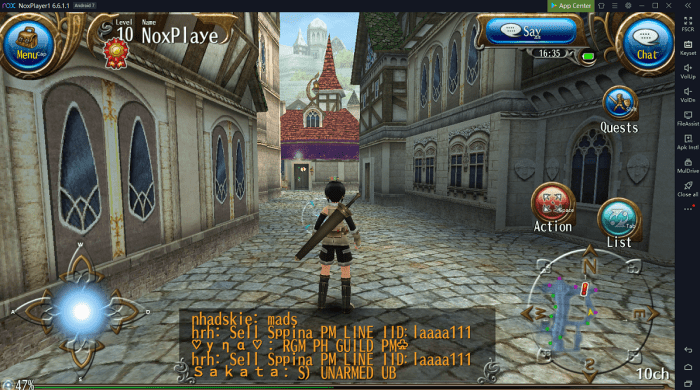
The design of an online RPG hinges on a complex interplay of mechanics that shape player experience. From the thrill of combat to the satisfaction of character progression, these systems work together to create an engaging and immersive world. Understanding these core mechanics is crucial for both developers and players alike.
Core Mechanics in Various RPG Online Games
Different RPGs utilize diverse approaches to core mechanics, leading to varied gameplay experiences. For instance, combat systems can range from real-time action-oriented clashes, like those found in
- Guild Wars 2*, where precise timing and skill are paramount, to turn-based encounters with strategic depth, as seen in
- Final Fantasy XIV Online*, where careful planning and team composition are key. Character progression can involve skill trees, allowing players to specialize in specific roles, leveling systems that grant access to new abilities and stats, or crafting systems that enable players to create powerful equipment.
- World of Warcraft*, for example, utilizes a classic leveling system with talent trees, while
- Path of Exile* features a deep and complex passive skill tree. Crafting systems, such as those in
- Elder Scrolls Online*, provide a rewarding avenue for acquiring powerful gear and customizing playstyles.
Character Customization and Progression Systems: A Comparison
Character customization offers players a sense of agency and allows them to shape their identity within the game world. Some games offer extensive options, including detailed character models, diverse racial and class choices, and extensive customization of stats and abilities.
- Black Desert Online*, for example, is known for its in-depth character creation. Others may offer a more streamlined approach, focusing on a smaller set of choices. Progression systems also vary significantly. Some games use a linear leveling system, where players gain experience points and level up, unlocking new abilities along the way. Others employ more complex systems, such as branching skill trees, or even non-linear progression based on completing specific tasks or achievements.
The aforementioned
- Path of Exile* is a prime example of a complex, non-linear progression system.
Design of a Hypothetical RPG Online Game: “Aethelgard”
Aethelgard is a fantasy MMORPG set in a world shaped by ancient magic and warring factions. Its unique mechanics center around a dynamic ecosystem where players’ actions directly impact the environment. Combat emphasizes tactical positioning and elemental interactions, with players able to harness the power of nature itself. Character progression involves a unique “Rune Weaving” system, where players combine runes to create custom abilities and spells, fostering unique playstyles.
Crafting involves resource gathering and the refinement of materials found within the dynamic environment, influenced by the player’s actions. The world itself reacts to player choices, leading to unpredictable events and emergent gameplay. For example, over-harvesting a region might lead to environmental collapse, affecting resource availability and creating new challenges for players.
Monetization Models in RPG Online Games: A Comparison
| Monetization Model | Strengths | Weaknesses | Example |
|---|---|---|---|
| Subscription | Stable revenue, potentially higher quality game | Can alienate players unwilling to pay monthly fees, potential for subscriber churn | Final Fantasy XIV Online |
| Buy-to-Play | One-time purchase, attracts players who dislike microtransactions | Limited revenue stream after initial purchase, potential for less content updates | Guild Wars 2 (with expansions) |
| Free-to-Play with Microtransactions | Wide player base, potential for high revenue | Risk of pay-to-win mechanics, potential for negative player perception | Path of Exile |
| Free-to-Play with Cosmetic Microtransactions | Wide player base, positive player perception | Lower revenue potential compared to other models | Team Fortress 2 |
Community and Social Aspects of RPG Online Games
The enduring appeal of many RPG online games lies not just in their compelling narratives and challenging gameplay, but also in the vibrant communities they foster. These virtual worlds become social hubs, where players forge lasting friendships, collaborate on epic quests, and create shared memories that extend far beyond the game itself. The social dynamics within these games significantly impact player retention, engagement, and overall enjoyment.
Strong communities are built upon effective communication, shared goals, and a sense of belonging. Successful RPGs understand this and actively cultivate positive social interactions, recognizing that a thriving community is a key ingredient in a game’s longevity.
Successful Community-Driven Events and Content
Community-driven events and content inject fresh energy and excitement into long-running RPGs. For example, World of Warcraft has a history of organizing massive player-versus-environment (PvE) events centered around challenging raid encounters. The coordination required, the shared sense of accomplishment, and the storytelling that emerges from these events create powerful bonds between players. Similarly, Guild Wars 2‘s World vs. World (WvW) mode encourages large-scale player-versus-player (PvP) battles between server-based guilds, fostering intense competition and camaraderie.
These events aren’t just about winning; they are about the shared experience and the stories players tell afterward. The collaborative effort to overcome difficult challenges, the strategic planning involved, and the sheer spectacle of hundreds of players working together contribute to a memorable and engaging experience. These events often generate their own unique narratives and lore within the game’s community.
The Role of Guilds and Social Interactions
Guilds, or in-game social groups, are fundamental to the social fabric of many RPG online games. They provide a sense of belonging, offering players a structured environment for collaboration and socialization. Guilds often organize themselves around shared goals, such as raiding high-level dungeons, participating in PvP events, or simply socializing and helping newer players. The structure and organization of a guild can vary greatly, from tightly-knit groups focused on efficiency to more relaxed communities prioritizing social interaction.
Successful guilds cultivate a positive and supportive environment, fostering a sense of community and encouraging players to contribute their skills and time. This contributes directly to player retention, as players are more likely to stick with a game if they feel connected to a group of people. The social interactions within guilds, ranging from casual conversation to complex strategic planning, are integral to the overall player experience.
The Impact of Different Communication Systems
Effective communication is crucial for building a strong online gaming community. In-game chat systems allow for immediate and spontaneous interaction, crucial for coordinating activities within dungeons, raids, and PvP battles. However, in-game chat can be chaotic, and its ephemeral nature means important information can be lost easily. Forums and dedicated community websites provide a more structured platform for communication, allowing players to share information, discuss strategies, and engage in more in-depth conversations.
Discord servers, increasingly popular, combine the immediacy of chat with the organization of forums, offering voice and text channels for various aspects of the game. The successful integration of these different communication systems is key to ensuring that players can easily find the information and social interaction they need. A well-designed communication ecosystem facilitates both immediate and long-term engagement.
Best Practices for Fostering a Positive and Inclusive Online Gaming Community
Creating a positive and inclusive community requires a multifaceted approach. Clear community guidelines, enforced consistently by game moderators, are crucial for setting expectations and maintaining order. These guidelines should emphasize respectful communication, prohibiting harassment, discrimination, and toxic behavior. Game developers can also implement features that encourage positive interactions, such as in-game commendation systems or systems that reward helpful behavior.
Regular community events and contests can foster a sense of shared purpose and excitement. Active moderation and prompt responses to player concerns are essential for maintaining a healthy community. Furthermore, fostering inclusivity means actively welcoming players from diverse backgrounds and ensuring that the game environment is accessible to everyone. This includes providing support for players with disabilities and actively combating any form of discrimination or prejudice.
By prioritizing these best practices, developers can cultivate a welcoming and engaging community that enhances the overall gaming experience for all players.
Online Game Development for RPGs
Creating a successful online RPG demands a multifaceted approach, encompassing meticulous planning, skilled execution, and a deep understanding of the target audience. From initial concept to launch and beyond, the development process is a dynamic journey requiring constant adaptation and refinement. This section delves into the key stages, team roles, challenges, and crucial considerations involved in bringing an online RPG to life.
The RPG Online Game Development Process: A Step-by-Step Guide
The development of an online RPG is a complex undertaking, best approached through a structured, iterative process. Each phase builds upon the previous one, allowing for continuous refinement and adaptation based on feedback and evolving needs.
- Concept and Design: This initial phase involves defining the game’s core mechanics, setting, story, and overall vision. It includes creating a detailed game design document outlining all aspects of the game, from character classes and progression systems to world design and narrative structure. Consideration of the target audience and market research are critical at this stage.
- Pre-Production: This phase focuses on prototyping core gameplay mechanics and refining the game design document. This often involves creating a vertical slice—a fully functional representation of a small section of the game—to test key systems and identify potential issues early on. Technology selection and engine choice are also finalized here.
- Production: This is the main development phase, where the game is built based on the refined design document. This involves programming, art creation, sound design, and level design. Agile development methodologies, such as Scrum, are frequently employed to manage the complex tasks and iterative nature of this phase.
- Testing and Quality Assurance (QA): Rigorous testing is essential to identify and fix bugs, balance gameplay, and ensure a smooth player experience. This involves both internal testing by the development team and external testing by dedicated QA teams and beta testers.
- Launch and Post-Launch Support: Once the game is launched, the development team continues to work on updates, bug fixes, new content, and community management. Monitoring player feedback and adapting the game based on this feedback is crucial for long-term success.
Team Roles and Responsibilities in Online Game Development
A successful online RPG relies on a diverse team with specialized skills. Clear roles and responsibilities are crucial for efficient collaboration and project management.
| Role | Responsibilities |
|---|---|
| Game Designer | Defining game mechanics, systems, and overall game design |
| Programmers | Developing and implementing game code, systems, and networking |
| Artists | Creating character models, environments, textures, and user interfaces |
| Sound Designers | Creating music, sound effects, and voice acting |
| Level Designers | Designing game levels and environments |
| QA Testers | Identifying and reporting bugs and issues |
| Project Manager | Overseeing the development process, managing resources, and ensuring deadlines are met |
| Producers | Managing the overall development budget and schedule |
Balancing Game Mechanics and Monetization Strategies
Balancing engaging gameplay with sustainable monetization is a critical challenge in online RPG development. Poorly implemented monetization can severely damage player experience and negatively impact the game’s long-term viability. Successful strategies often involve offering optional cosmetic items, expansion packs, or subscriptions while carefully avoiding pay-to-win mechanics. Examples include games like
- Path of Exile*, which uses a cosmetic microtransaction system, or
- World of Warcraft*, which relies on a subscription model with optional expansions.
The Importance of Playtesting and Iterative Development
Playtesting and iterative development are integral to creating a successful online RPG. Regular playtesting allows developers to identify and address issues early on, ensuring a polished and enjoyable player experience. Iterative development involves continuously refining the game based on player feedback and data analysis. This approach allows for adaptation and improvement throughout the development lifecycle, resulting in a more engaging and balanced game.
Games like
Destiny 2* have successfully used this approach, consistently adapting their gameplay and content based on player feedback and data.
Free Online Games and Their Impact
The rise of free-to-play (F2P) online RPGs has fundamentally reshaped the gaming landscape. No longer are players confined to expensive boxed games or subscription models; a vast and diverse world of free-to-play experiences now caters to millions, impacting game design, player behavior, and the very business model of the industry. This section explores the successes, challenges, and comparative player experiences associated with this dominant force in online RPGs.
The success of free-to-play hinges on a delicate balance between providing engaging gameplay and generating revenue. This requires careful consideration of game mechanics, monetization strategies, and community management. The shift away from upfront purchase costs has democratized access to gaming, bringing in a far larger player base than traditional models, yet it also presents significant hurdles in terms of maintaining a healthy and sustainable ecosystem.
Successful Free-to-Play RPG Online Games and Their Monetization Strategies
Several free-to-play RPGs have achieved phenomenal success, demonstrating various effective monetization strategies. Games like
- Path of Exile*, for instance, uses a “buy-to-play” approach with an optional cash shop selling cosmetic items and quality-of-life improvements, but never impacting gameplay balance. This allows players to enjoy the core game completely free while providing avenues for those who wish to support the developers or enhance their experience. Conversely,
- Genshin Impact* employs a gacha system, where players spend in-game currency (obtained through gameplay or purchase) to obtain random characters and weapons. This system, while controversial for its potentially addictive nature, has proven highly lucrative.
- Warframe*, another highly successful title, offers a similar cosmetic-focused approach, supplemented by the sale of premium currency that can expedite progression, without directly affecting gameplay balance. These diverse strategies highlight the versatility of F2P monetization.
Challenges and Opportunities in Developing and Maintaining Free-to-Play Games
Developing and maintaining a successful free-to-play RPG presents unique challenges. The primary challenge lies in balancing the need to generate revenue with the desire to provide a fair and enjoyable experience for all players. Overly aggressive monetization can alienate players, leading to negative reviews and a decline in the player base. Conversely, underestimating the cost of development and server maintenance can lead to financial instability.
The need for continuous content updates and community engagement adds further complexity. However, the opportunities are equally significant. The vast potential player base, coupled with the flexibility of F2P models, allows for experimentation with innovative game designs and monetization strategies, leading to potentially high returns on investment. The ability to continuously gather player data and adapt the game accordingly also provides a significant advantage over traditional models.
Player Experience Comparison: Free-to-Play vs. Subscription-Based RPG Online Games
The player experience in free-to-play and subscription-based RPGs differs significantly. Subscription-based games, such asWorld of Warcraft* (in its subscription-only era), often offer a more complete and polished experience at launch, with a focus on long-term player retention through a steady stream of expansions and content updates. Players generally feel a stronger sense of ownership and less pressure to spend additional money.
However, the upfront cost acts as a significant barrier to entry. Free-to-play games, on the other hand, have a lower barrier to entry but may include more aggressive monetization practices, leading to potential feelings of unfairness or pressure to spend. They often feature a greater emphasis on microtransactions and potentially faster progression for paying players. The overall experience can be more varied, depending on the specific game and its monetization strategy.
Factors Contributing to the Success of Free-to-Play RPG Online Games
The success of a free-to-play RPG is multifaceted. Several key factors contribute to their popularity and longevity:
A strong foundation is crucial. Successful F2P RPGs typically begin with a compelling core gameplay loop that is enjoyable even without spending money. This core experience needs to be engaging and rewarding in itself.
- Engaging Core Gameplay: A fun and rewarding core gameplay loop that keeps players hooked.
- Fair Monetization: Monetization strategies that feel fair and don’t disrupt the gameplay experience.
- Regular Content Updates: Consistent updates with new content, events, and features keep players engaged.
- Active Community Management: A responsive and supportive community management team that addresses player concerns and fosters a positive environment.
- Effective Marketing: A well-executed marketing campaign to reach the target audience.
- Cross-Platform Availability: Accessibility across multiple platforms increases the potential player base.
- Strong Social Features: Features that encourage interaction and community building.
RPG Online Games for Girls
The gaming world, once perceived as a predominantly male domain, is experiencing a significant shift. A growing number of RPGs are specifically designed to appeal to female players, recognizing their unique preferences and interests. This involves not just changing the aesthetics but fundamentally rethinking narratives, character development, and overall gameplay mechanics.
Popular RPG online games catering to female audiences often prioritize social interaction, compelling storylines focusing on character relationships and emotional depth, and customization options that allow for extensive personalization. While many mainstream RPGs feature female characters, the representation often falls short of true inclusivity and diverse portrayal. This section will explore successful examples, discuss the critical role of diverse representation, and examine effective marketing strategies targeting this demographic.
Popular RPG Online Games Targeting Female Gamers
Many games, while not exclusively designed for women, resonate strongly with female players due to their emphasis on narrative, character development, and social interaction. Games likeStardew Valley*, with its emphasis on community building and farming, have garnered a large female fanbase. Similarly,
-
Animal Crossing
New Horizons*, while not strictly an RPG, shares many elements like character customization and social interaction that appeal to this audience. Other games like
- Genshin Impact* boast diverse and well-developed female characters, and their engaging storylines attract a significant female player base. The success of these games highlights the growing demand for games that go beyond traditional fantasy tropes and cater to diverse preferences.
Female Character Representation and Storylines in RPG Online Games
Historically, female characters in RPGs have often been relegated to stereotypical roles: damsels in distress, magical princesses, or hyper-sexualized figures. However, a positive trend is emerging with games showcasing more complex and nuanced female characters. These characters possess unique motivations, strengths, and flaws, moving beyond the simplistic archetypes of the past. Storylines are also evolving, shifting away from male-centric narratives to include female protagonists with compelling journeys and arcs.
Games that successfully integrate diverse female characters into the main storyline and offer choices that impact the narrative significantly improve engagement and appeal to a broader audience. For example, the diverse and complex female characters in
Final Fantasy XIV* contribute significantly to its broad appeal.
Inclusivity and Diverse Representation in Game Design
Inclusivity is no longer a desirable feature but a necessity in modern game design. Games that actively promote diversity in character design, storylines, and gameplay mechanics foster a more welcoming and inclusive environment. This includes representation beyond gender, encompassing race, ethnicity, sexual orientation, and abilities. The importance of inclusivity goes beyond simply adding diverse characters; it’s about authentically representing these characters within the game’s world and narrative.
Games that fail to achieve this often feel tokenistic and fail to resonate with their intended audience. The creation of inclusive worlds, where players can see themselves reflected, enhances the gaming experience and fosters a stronger sense of community.
Marketing Strategies for Targeting Female Gamers
Marketing to female gamers requires a nuanced approach that avoids perpetuating harmful stereotypes. Successful strategies focus on highlighting the game’s story, characters, and social aspects. Marketing campaigns often use imagery and language that resonate with the target audience, avoiding overtly sexualized or violent themes. Emphasis on community building, creative expression through character customization, and opportunities for social interaction are key elements.
Successful examples include focusing on the emotional depth of the narrative, showcasing diverse characters in promotional materials, and partnering with female influencers and streamers to reach the target audience directly. This approach recognizes that female gamers are not a monolithic group but a diverse population with varied interests and preferences.
The Intersection of Gaming and Gambling
The blurring lines between gaming and gambling represent a complex and rapidly evolving landscape. The integration of gambling mechanics into online games, while potentially lucrative for developers, raises significant ethical concerns and necessitates robust regulatory frameworks to protect players. This exploration delves into the ethical considerations, regulatory disparities, inherent risks, and manipulative tactics employed within this increasingly intertwined industry.
Ethical Considerations of Integrating Gambling Mechanics into Online Games
The ethical implications of incorporating gambling mechanics into online games are multifaceted. Chief among these is the potential for exploitation, particularly of vulnerable populations like minors and individuals predisposed to addiction. The design of many games, with their reward systems mimicking casino slot machines, can inadvertently normalize and even encourage compulsive gambling behavior. Furthermore, the often-blurred line between “in-game purchases” and outright gambling can lead to significant financial losses for players who may not fully understand the implications of their actions.
The lack of transparency regarding odds and probabilities in some games further exacerbates this issue, leaving players in a position of disadvantage. Ethical game design should prioritize player well-being over profit maximization, employing measures to prevent addiction and ensure informed consent.
Regulatory Frameworks Governing Online Gambling
The regulatory landscape for online gambling varies drastically across different jurisdictions. Some countries, such as the United Kingdom, have established comprehensive regulatory bodies overseeing online gambling activities, implementing strict licensing requirements and player protection measures. Others, like the United States, have a more fragmented approach, with individual states possessing varying degrees of control over online gambling. In some regions, online gambling remains entirely prohibited.
This disparity in regulatory frameworks creates challenges for both game developers and players, leading to inconsistencies in player protection and the potential for unregulated, exploitative practices to flourish in less-regulated markets. For example, the UK Gambling Commission mandates stringent age verification and responsible gambling measures, while many US states are still grappling with the legalization and regulation of online gambling.
Risks and Benefits Associated with Online Casino Games and Gambling Addiction
Online casino games, while offering entertainment and the potential for financial gain, carry significant risks, primarily centered around the potential for gambling addiction. The readily accessible nature of online casinos, combined with the anonymity they offer, can exacerbate existing vulnerabilities. The rapid pace and constant stimulation of many online casino games are specifically designed to be addictive. This can lead to significant financial losses, relationship problems, and mental health issues.
However, when properly regulated and approached responsibly, online casinos can offer a form of entertainment for adults, providing a controlled and regulated environment for those who choose to engage. The key lies in implementing effective responsible gambling measures, including deposit limits, self-exclusion options, and readily available support resources for individuals struggling with addiction.
Mechanisms Used by Online Casinos to Attract and Retain Players
Online casinos employ a variety of strategies to attract and retain players, many of which are designed to exploit psychological vulnerabilities. These include offering enticing welcome bonuses, such as free spins or deposit matches, creating a sense of urgency through limited-time promotions, and leveraging loyalty programs to reward regular players. Affiliate marketing programs, where websites or influencers are compensated for referring new players, further contribute to the reach and marketing power of online casinos.
The use of sophisticated algorithms and personalized experiences aims to maximize engagement and encourage prolonged gameplay. These tactics, while effective in driving revenue, raise ethical concerns when employed without sufficient safeguards to protect vulnerable players from the risks of addiction.
Online Casino Affiliates and Gambling Game Design
The online gambling industry is a multi-billion dollar enterprise, and a significant portion of its success hinges on the intricate relationship between online casinos and their affiliate partners. These affiliates act as marketers, driving traffic and attracting new players to the casino platforms, in exchange for a commission on the revenue generated from those players. Understanding their role, along with the design principles behind the games themselves, is crucial to comprehending the overall mechanics of this lucrative industry.
The Role of Online Casino Affiliates
Online casino affiliates are essentially marketing intermediaries. They promote online casinos through various channels, including websites, social media, email marketing, and search engine optimization (). Their success depends on attracting players who are likely to deposit and wager significant amounts. Effective affiliates possess a deep understanding of their target audience, employing targeted advertising strategies and content creation to appeal to specific demographics and player preferences.
They often utilize performance-based marketing models, earning a commission based on the number of new players they acquire, the amount deposited by those players, or a combination of both. The relationship between an affiliate and a casino is often governed by a detailed affiliate agreement that Artikels the terms of the partnership, including commission structures, payment schedules, and responsible gambling practices.
Types of Gambling Games and Their Appeal
The variety of online casino games is vast, each designed to appeal to different player preferences and risk tolerances. Slot machines, for instance, are known for their simple gameplay and the potential for large, unpredictable wins. Their visual appeal and ease of access make them incredibly popular. Table games like blackjack, roulette, and poker offer a higher degree of skill and strategy, attracting players who enjoy intellectual challenges and strategic decision-making.
Live dealer games bridge the gap between online and land-based casinos, providing an immersive experience with real-time interaction with human dealers. This appeals to players who crave the social aspect of traditional casinos. Finally, specialized games like bingo and keno offer a unique blend of chance and community engagement, often attracting players seeking a social gaming experience.
Design Principles of Successful Online Casino Games
Successful online casino games are meticulously designed to balance player engagement with profitability for the casino. Key design principles include: Intuitive User Interface (UI): Games must be easy to understand and navigate, even for first-time players. Compelling Visuals and Sounds: High-quality graphics and engaging sound effects enhance the player experience and create a more immersive atmosphere.
Rewarding Gameplay: A well-designed game offers a balance between wins and losses, keeping players engaged and motivated to continue playing. Strategic Depth (for certain games): Games like poker and blackjack require strategic thinking and decision-making, adding a layer of complexity that appeals to skilled players. Random Number Generators (RNGs): The use of certified RNGs ensures fair and unbiased outcomes, building trust and maintaining player confidence.
Mobile Optimization: Accessibility across various devices is crucial, ensuring players can access games anytime, anywhere.
Legal and Ethical Considerations for Online Casino Operators and Affiliates
The online gambling industry is heavily regulated, and both operators and affiliates must adhere to strict legal and ethical guidelines. Key considerations include: Licensing and Regulation: Operators must obtain licenses from relevant jurisdictions to operate legally. Data Privacy and Security: Protecting player data and ensuring the security of financial transactions are paramount. Responsible Gambling Practices: Operators and affiliates must promote responsible gambling and provide tools to help players manage their spending and prevent problem gambling.
Age Verification: Strict age verification procedures are necessary to prevent underage gambling. Anti-Money Laundering (AML) Compliance: Operators must implement measures to prevent money laundering and other financial crimes. Transparency and Fair Play: Games must be transparent and fair, utilizing certified RNGs and adhering to industry best practices. Affiliate Marketing Regulations: Affiliates must comply with advertising regulations and avoid deceptive or misleading marketing practices.
Geo-targeting: Operators and affiliates must ensure they comply with local laws and regulations regarding the legality of online gambling in specific geographic regions.
End of Discussion
From the humble beginnings of text-based MUDs to the sprawling MMOs of today, RPG online games have undeniably shaped the gaming landscape. This exploration has revealed not only the technical intricacies of game design and development but also the profound social and cultural impact these games have on their players. The future of RPG online gaming is bright, promising even more immersive experiences, innovative mechanics, and stronger communities.
So grab your controller, summon your party, and prepare for the next chapter in this ever-evolving digital saga!
Popular Questions
What is the difference between MMORPG and ARPG?
MMORPGs (Massively Multiplayer Online Role-Playing Games) feature persistent online worlds with thousands of players, while ARPGs (Action Role-Playing Games) emphasize real-time combat and often have a stronger single-player focus, though multiplayer elements are common.
How much does it cost to develop an RPG online game?
Development costs vary wildly depending on scope, features, and team size. Simple games might cost tens of thousands, while large-scale MMOs can cost millions.
Are RPG online games safe for children?
Safety depends on the specific game and its rating. Many games have age restrictions and parental controls. Research individual games before allowing children to play.
What are the best platforms for playing RPG online games?
PC, consoles (PlayStation, Xbox, Switch), and mobile devices (iOS, Android) all offer a wide selection of RPG online games. The best platform depends on personal preference and the specific game.