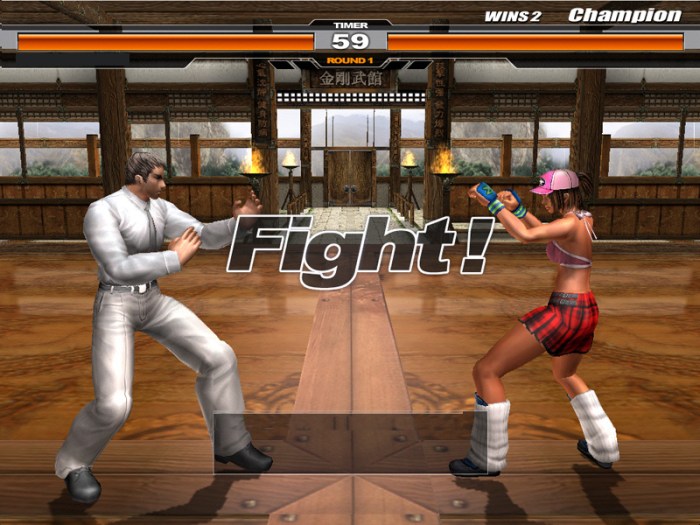
Get ready to rumble! The world of free online fighting games is a vibrant, ever-evolving arena where pixelated punches and digital dragons clash. From classic 2D brawlers to intricate 3D combat systems, these games offer a thrilling blend of skill, strategy, and adrenaline-pumping action. This guide dives deep into the heart of this exciting genre, exploring its history, mechanics, business models, and the passionate communities that fuel its continued success.
Prepare for a knockout exploration of everything you need to know about free online fighting games!
We’ll journey through the evolution of these digital duels, from their humble beginnings to their current status as a major force in the gaming landscape. We’ll examine the diverse mechanics that define different fighting game styles, the innovative monetization strategies employed by developers, and the crucial role of community and esports in keeping the competitive spirit alive. Get ready to unlock the secrets behind these captivating games!
Popularity and Trends of Free Online Fighting Games
The rise of free-to-play online fighting games has dramatically reshaped the competitive gaming landscape over the past decade. Accessibility, coupled with increasingly sophisticated online infrastructure, has led to a massive surge in both player numbers and the overall quality of these titles. This has fostered a vibrant and ever-evolving ecosystem, driven by constant updates, community engagement, and the ongoing pursuit of the perfect online fighting experience.
Evolution of Free Online Fighting Games
The early days of free online fighting games were often characterized by simplistic graphics, limited features, and a somewhat clunky online experience. Games like the originalStreet Fighter Online* versions showcased the potential but also the limitations of the technology at the time. However, the last ten years have seen a remarkable transformation. Improved internet speeds, advancements in game engines (like Unreal Engine and Unity), and the increasing sophistication of online matchmaking systems have allowed developers to create free-to-play experiences that rival, and in some cases surpass, their premium counterparts in terms of both visual fidelity and gameplay depth.
The incorporation of microtransactions, while sometimes controversial, has also enabled developers to sustain these games over the long term, providing continuous updates and new content.
Popular Genres Within Free Online Fighting Games
The most popular genre within the free online fighting game market remains the traditional 2D fighting game, often drawing inspiration from classic arcade titles. However, we’ve also seen a significant rise in popularity of 3D fighting games, offering more complex movement and a greater emphasis on spatial awareness. Furthermore, a hybrid approach, combining elements of both 2D and 3D fighting styles, is becoming increasingly prevalent, allowing for a broader appeal to a wider player base.
Another notable trend is the incorporation of RPG elements, with progression systems, character customization, and collectible items adding layers of depth and replayability.
Comparison of Player Bases
Accurately comparing player bases across different free online fighting games can be challenging due to the lack of consistently published, verified data. However, anecdotal evidence and community discussions suggest that titles like
- Brawlhalla* and
- MultiVersus* boast incredibly large and active player bases, regularly attracting hundreds of thousands of concurrent players. Other games, while perhaps smaller in overall player count, maintain dedicated and highly competitive communities. The success of these games is often tied to their accessibility, marketing strategies, and regular content updates.
Marketing Strategies
Free online fighting games employ a variety of marketing strategies to attract and retain players. These often include: influencer marketing, partnering with popular streamers and esports organizations; aggressive social media campaigns; in-game events and seasonal content; cross-promotions with other games or brands; and free-to-play models with optional cosmetic microtransactions. The success of these strategies depends heavily on building a strong community around the game and creating a sense of ongoing excitement and engagement.
Comparison of Three Popular Free Online Fighting Games
| Name | Platform | Key Features | Player Base Size (Estimate) |
|---|---|---|---|
| Brawlhalla | PC, PlayStation, Xbox, Nintendo Switch, iOS, Android | Platform fighter, large roster of characters, diverse weapon system, regular updates | Millions |
| MultiVersus | PC, PlayStation, Xbox | Platform fighter, crossover characters from Warner Bros. properties, team-based battles | Millions |
| Fighting EX Layer | PC, PlayStation | Traditional 2D fighting game, fast-paced gameplay, deep mechanics | Hundreds of thousands |
Game Mechanics and Features in Free Online Fighting Games
Free online fighting games offer a diverse range of gameplay experiences, from classic 2D brawlers to complex 3D arena battles. Understanding the core mechanics and features is crucial to appreciating the depth and variety within this popular genre. This section will explore the different types of fighting games, common features, monetization strategies, and innovative mechanics that have shaped the landscape of free-to-play fighting.
Core Mechanics of Different Fighting Game Types
Free online fighting games utilize diverse core mechanics depending on their genre. 2D fighters often focus on precise inputs and combos, while 3D fighters emphasize spatial awareness and strategic movement. MOBA-style fighters blend the action of fighting games with the strategic team play of MOBAs.
- 2D Fighters: These games typically feature a simplified movement plane, focusing on intricate combos, special moves, and precise timing. Examples include games like
-Street Fighter* (though not always free-to-play versions) which emphasizes frame-perfect execution and reading your opponent’s actions. - 3D Fighters: 3D fighters offer more complex movement options, including dashing, jumping, and blocking in three dimensions. Games like
-Tekken* (again, often not free-to-play) demonstrate the strategic depth that comes from navigating a 3D space, incorporating more complex fighting styles and spatial awareness. - MOBA-Style Fighters: These games combine the fast-paced combat of fighting games with the team-based strategy of MOBAs. Players choose from a roster of unique characters, each with their own strengths and weaknesses, and work together to achieve objectives. Examples could include games that feature character-specific roles like tank, damage dealer, and support, within a team-based fighting context.
Common Features in Free Online Fighting Games
Many features contribute to the engaging and competitive experience of free online fighting games. These features often work in tandem to create a compelling loop of progression and reward.
- Character Customization: Many free-to-play fighting games allow players to customize their characters’ appearance, often through cosmetic items earned through gameplay or purchased. This feature fosters a sense of personal investment and allows players to express their individuality.
- Progression Systems: These systems incentivize continued play by rewarding players with experience points, new characters, or other in-game items. Progression systems can be based on winning matches, completing challenges, or accumulating in-game currency.
- Online Multiplayer Modes: Online multiplayer is a core element of free online fighting games. Common modes include ranked matches, casual matches, and tournaments, providing various ways for players to compete and test their skills.
Impact of Monetization Strategies on Gameplay
Monetization in free-to-play fighting games can significantly influence the gameplay experience. While some games offer purely cosmetic items, others may offer pay-to-win elements.
- Cosmetic Items: Many free-to-play fighting games generate revenue through the sale of cosmetic items, such as character skins, outfits, and emotes. These items do not affect gameplay balance, ensuring fair competition.
- Pay-to-Win Elements: Some free-to-play fighting games include pay-to-win elements, such as powerful characters or items that give players a significant advantage. This can create an uneven playing field and negatively impact the overall gaming experience for free-to-play players.
- Battle Passes and Seasonal Content: Many games use battle passes and seasonal content as a way to generate revenue and keep the game fresh. This offers a more sustainable model compared to direct pay-to-win mechanics, as players are rewarded for consistent play, not just for monetary spending.
Innovative Game Mechanics in Successful Free Online Fighting Games
Successful free-to-play fighting games often incorporate innovative mechanics to stand out from the competition.
- Unique Character Abilities: Games often feature diverse character abilities that go beyond standard attacks and special moves, creating more strategic depth. This could involve area-of-effect abilities, crowd control, or unique defensive capabilities.
- Environmental Interactions: Innovative games often integrate the environment into gameplay, allowing players to utilize environmental hazards or objects to their advantage during combat. This can add a layer of tactical decision-making and unpredictable moments.
- Dynamic Combat Systems: Some games feature dynamic combat systems that adapt to the player’s skill level, offering more challenging encounters as players improve. This can increase the longevity of the game and provide a more rewarding experience.
Categorization of Fighting Game Mechanics
Understanding the different categories of mechanics helps to analyze the depth and complexity of a fighting game.
- Combat: This category encompasses the core fighting mechanics, such as light attacks, heavy attacks, special moves, and combos. The execution and timing of these actions are central to success.
- Movement: Movement mechanics dictate how characters traverse the playing field. This includes walking, running, jumping, dashing, blocking, and other techniques that allow players to control their positioning and evade attacks.
- Special Abilities: Special abilities are unique actions that characters can perform, often requiring specific input combinations. These abilities can deal significant damage, provide defensive capabilities, or offer strategic advantages.
The Business Model of Free Online Fighting Games

The success of a free-to-play online fighting game hinges on a carefully crafted business model that balances player enjoyment with sustainable revenue generation. These games often rely on a multi-pronged approach, leveraging various monetization strategies to maximize profitability while minimizing player frustration. Understanding these models is crucial for both developers and players alike.
Monetization Models in Free Online Fighting Games
Free online fighting games typically employ a combination of monetization strategies to generate revenue. In-app purchases are a cornerstone, offering players the ability to buy virtual currency, premium characters, cosmetic items, or advantage-granting boosts. Battle passes provide a structured progression system where players earn rewards by completing in-game challenges, with premium passes offering enhanced rewards for a fee.
Cosmetic items, such as alternate costumes, character skins, and emotes, are another popular revenue stream, allowing players to personalize their experience without impacting gameplay balance. Other models, such as advertising, are less common in this genre due to the competitive nature of the gameplay.
Hypothetical Business Model for a New Free Online Fighting Game
Let’s consider “Project Phoenix,” a new free-to-play fighting game. Our revenue streams will focus on a tiered system. First, a base game offering a core roster of characters and gameplay modes will be completely free. Second, a battle pass system will offer premium rewards like exclusive skins and character variants for a seasonal fee. Third, an in-game store will sell purely cosmetic items, such as character skins, stage backgrounds, and victory animations.
Finally, a small selection of powerful, but not game-breaking, characters could be purchased directly.Cost considerations include development costs (programming, art, sound design, marketing), server maintenance, ongoing updates and content creation, and customer support. A key aspect is balancing the cost of these elements with the revenue generated from the different monetization streams. We’ll use data analysis and player feedback to adjust our pricing and content release schedule to optimize profitability and player satisfaction.
For example, data from games like
- Street Fighter V* and
- Mortal Kombat 11* can inform decisions on character pricing and battle pass design.
Profitability Comparison of Monetization Models
The profitability of different monetization models varies greatly. Battle passes, when well-designed, can generate significant revenue with high player engagement. Cosmetic items often have high profit margins due to low production costs. However, relying solely on in-app purchases for powerful characters can alienate players if perceived as pay-to-win. A balanced approach, combining these models, generally proves most successful.
Analyzing player spending habits and retention rates through A/B testing is vital to determine the optimal balance.
Ethical Considerations in Monetization
Ethical concerns center on fairness and transparency. “Pay-to-win” mechanics, where purchasing advantages directly impacts gameplay, are highly controversial. Games should strive for a balance where purchases enhance the visual or personal experience but don’t give a significant competitive edge. Transparency in pricing and the value offered is also crucial; hidden costs or misleading descriptions can damage player trust.
Regular communication with the player base, addressing concerns and feedback, is vital to maintain ethical practices.
Comparison of Monetization Models
| Monetization Model | Pros | Cons |
|---|---|---|
| Battle Pass | High engagement, predictable revenue stream, sense of progression | Can feel grindy, requires consistent content updates |
| Cosmetic Items | High profit margins, player customization, doesn’t affect gameplay balance | Can feel superficial, requires constant creation of new items |
| In-App Purchases (Characters/Boosters) | Fast revenue generation, can provide significant income | Potential for “pay-to-win,” risks alienating players, requires careful balancing |
Community and Esports in Free Online Fighting Games
The vibrant communities and thriving esports scenes surrounding free-to-play fighting games are crucial to their long-term success. A strong community fosters a sense of belonging, encourages player retention, and generates valuable feedback for developers. Meanwhile, a robust esports ecosystem adds a layer of competitive excitement, attracting new players and keeping existing ones engaged. The interplay between these two elements is a key ingredient in the recipe for a successful free-to-play fighting game.The role of the community in the success of free online fighting games is multifaceted.
It acts as a testing ground for new features, a source of creative content (like fan art and tournament organization), and a vital marketing tool through word-of-mouth referrals. A passionate and active community can significantly impact a game’s longevity and overall popularity.
Successful Esports Scenes Built Around Free Online Fighting Games
Several free-to-play fighting games have cultivated incredibly successful esports scenes. These scenes are characterized by high-level competition, dedicated players, and substantial prize pools. For example,
- Tekken 7*, despite not being strictly free-to-play (requiring an initial purchase), has a massive and active esports community, showcasing the power of strong competitive elements even with a buy-in model. Similarly,
- Street Fighter V* has a dedicated and longstanding esports scene, fueled by its complex gameplay and a long history of competitive play. The consistent evolution of the game through updates and seasons, along with the strong support from Capcom, has contributed significantly to this. Another example is
- Mortal Kombat 11*, which has attracted a large and engaged esports following through a combination of engaging gameplay, consistent updates, and strong community engagement initiatives. These titles demonstrate the symbiotic relationship between a strong game and a dedicated community.
Challenges Faced by Developers in Fostering a Healthy and Engaged Community
Maintaining a healthy and engaged community presents several challenges for developers. Toxicity, stemming from competitive pressures and differing play styles, is a common problem. Balancing the needs of casual and competitive players is another significant hurdle. The influx of new players can overwhelm veteran players, leading to frustration. Finally, maintaining consistent communication and addressing player feedback effectively are crucial for community satisfaction and retention.
Ignoring player concerns or failing to implement requested changes can lead to significant community backlash and player attrition.
Strategies for Building a Strong Community Around a Free Online Fighting Game
Building a strong community requires a proactive and multifaceted approach. Developers should prioritize open communication channels, such as active forums, Discord servers, and regular updates. They should also actively solicit player feedback and demonstrate responsiveness to community concerns. Hosting regular in-game events, tournaments, and challenges can increase engagement and foster a sense of community. Furthermore, rewarding active and positive community members through in-game items or exclusive content can incentivize participation and build loyalty.
Finally, actively moderating online spaces to curb toxicity and maintain a respectful environment is essential for long-term community health.
Esports Tournaments and the Longevity of Free Online Fighting Games
Esports tournaments play a crucial role in extending the lifespan of free-to-play fighting games.
- They provide a platform for high-level competition, attracting both skilled players and casual viewers.
- Tournaments generate excitement and buzz around the game, attracting new players and keeping existing ones engaged.
- The prize pools and sponsorships associated with esports tournaments can provide developers with additional revenue, enabling them to invest in further development and community support.
- Successful esports scenes create a sense of legacy and history around the game, further enhancing its appeal to players.
- The competitive aspect of esports adds depth and longevity to the game, keeping players invested and returning for more.
Online Game Development and Related Topics
Creating a successful free online fighting game requires a multifaceted approach, encompassing technical expertise, shrewd business strategies, and a deep understanding of the gaming community. This section delves into the intricacies of online game development, exploring the processes, technologies, challenges, and ethical considerations involved.
The Process of Developing a Multiplayer Online Fighting Game
Developing a multiplayer online fighting game is a complex, iterative process. It typically begins with conceptualization, including game design documents outlining the core mechanics, characters, story (if any), and overall art style. This is followed by pre-production, where assets like character models, animations, and environments are created. Next comes the programming phase, focusing on implementing the game mechanics, networking, and user interface.
Rigorous testing and quality assurance are crucial throughout development to identify and fix bugs. Finally, the game is released, followed by ongoing updates, balancing patches, and community management. Each stage requires close collaboration between various teams.
Technologies Used in Online Game Development
Modern online game development leverages a range of technologies. Game engines like Unity and Unreal Engine provide frameworks for building the game’s core mechanics and visuals. Networking libraries, such as Photon or custom solutions, facilitate real-time communication between players. Databases, such as MySQL or MongoDB, store player data and game progress. Cloud services like AWS or Google Cloud Platform often handle server infrastructure and scaling.
Programming languages like C#, C++, and Java are commonly used, depending on the chosen engine and platform. Version control systems like Git are essential for collaborative development.
Balancing Free-to-Play Mechanics with Fair and Engaging Gameplay
Balancing free-to-play (F2P) mechanics with fairness and engagement is a significant challenge. Developers must carefully design monetization strategies that avoid feeling exploitative or pay-to-win. Common approaches include cosmetic items, battle passes, and optional power-ups that don’t directly impact gameplay balance. Transparency is key; players need to understand how the monetization system works and what advantages, if any, paid content offers.
Regular community feedback and iterative adjustments are crucial to maintain a healthy and enjoyable player experience. Games like Brawlhalla demonstrate a successful F2P model with cosmetic purchases as the primary revenue stream.
Best Practices for Designing User Interfaces and User Experiences in Online Games
User interface (UI) and user experience (UX) design are paramount in online games. Intuitive controls, clear visual feedback, and easy navigation are essential for a positive player experience. A well-designed UI should provide players with all the necessary information without overwhelming them. Usability testing is crucial to identify and address potential issues. Accessibility features, such as customizable controls and visual settings, should be considered to cater to a wider range of players.
The UI should seamlessly integrate with the game’s overall aesthetic and tone.
Comparison of Development Processes: Free Online Games vs. Paid Online Games
While both free and paid online games share many development stages, key differences exist in their approach. Free games often prioritize attracting and retaining a large player base, emphasizing monetization strategies and community engagement. Paid games, on the other hand, can focus more on delivering a polished, complete experience upfront, with less immediate pressure on monetization. However, both models often require ongoing updates and community support to maintain player interest.
The development budget and timeline can vary significantly between the two.
Roles Within an Online Game Development Team
A successful online game development team comprises various specialized roles:
- Game Designers: Define the game’s mechanics, rules, and overall structure.
- Programmers: Write and maintain the game’s code.
- Artists: Create the game’s visual assets, including characters, environments, and UI.
- Animators: Bring characters and objects to life with animations.
- Sound Designers: Create and integrate sound effects and music.
- Producers: Oversee the development process and manage resources.
- QA Testers: Identify and report bugs and issues.
- Network Engineers: Design and maintain the game’s online infrastructure.
- Game Designers: Define the game’s mechanics, rules, and overall structure.
- Marketing and Community Managers: Promote the game and engage with the player base.
Legal Considerations for Developing and Distributing Online Games
Legal considerations are crucial for online game development. This includes intellectual property rights (copyrights, trademarks), data privacy regulations (GDPR, CCPA), and terms of service agreements. Age ratings and content restrictions must also be adhered to. Understanding and complying with local and international laws is essential to avoid legal issues.
Marketing and Distribution Strategies for Online Games
Marketing and distribution strategies vary significantly between free and paid games. Free games often rely on social media marketing, influencer partnerships, and in-game events to attract players. Paid games may utilize pre-release marketing campaigns, reviews, and strategic partnerships with retailers. Distribution platforms such as Steam, Epic Games Store, and mobile app stores play a crucial role in reaching the target audience.
Ethical Implications of Game Design
Ethical considerations are vital. Game designers must be mindful of potential addictive qualities and their impact on player wellbeing. Features promoting responsible gaming, such as time limits and spending controls, are becoming increasingly important. Fairness and inclusivity in game design are also essential.
Marketing Plan for a Free Online Fighting Game Targeting Girls
A marketing plan for a free online fighting game targeting girls might focus on showcasing strong female characters, emphasizing collaborative gameplay, and partnering with female influencers and gaming communities. The game’s visuals and marketing materials should reflect the target demographic’s preferences. Social media campaigns emphasizing friendship and empowerment would be effective.
Risks and Opportunities Associated with Online Gambling
Online casino free spins, online casino affiliates, gambling games, and online casino advice present both opportunities and risks. Opportunities lie in the potential for revenue generation and market expansion. Risks include addiction, fraud, and regulatory challenges. The ethical implications of promoting gambling must be carefully considered.
Legal Landscape Surrounding Online Gambling
The legality of online gambling varies significantly across jurisdictions. Some countries have fully legalized and regulated online gambling, while others have banned it entirely. Many jurisdictions have a mixed approach, allowing certain forms of online gambling while prohibiting others. Staying abreast of the ever-evolving legal landscape is crucial for any business operating in this sector.
Final Wrap-Up
So, whether you’re a seasoned fighting game veteran or a curious newcomer, the world of free online fighting games offers something for everyone. From the thrill of competitive combat to the satisfaction of mastering complex techniques, these games provide endless hours of entertainment. The diverse monetization models, passionate communities, and exciting esports scenes all contribute to a rich and engaging experience.
The future of free online fighting games looks brighter than ever, promising even more innovation and excitement in the years to come. Now go forth and conquer!
Query Resolution
What are the system requirements for most free online fighting games?
System requirements vary greatly depending on the game. Generally, a relatively modern computer with a decent graphics card and a stable internet connection is sufficient for many popular titles. Check the game’s official website for specific requirements.
Are all free online fighting games pay-to-win?
No, while many free online fighting games utilize monetization strategies, not all are pay-to-win. Many focus on cosmetic items or optional battle passes, leaving the core gameplay balanced for all players. However, some games might offer advantages to paying players, so it’s essential to research a game before investing time.
How do I find players to fight against?
Most free online fighting games have built-in matchmaking systems that quickly connect you with opponents of similar skill levels. Some also allow for friend-based matches or custom room creation for more casual play.
What are the risks of playing free online fighting games?
While generally safe, some risks exist, including exposure to online harassment and potentially encountering inappropriate content. It’s always best to be mindful of online safety practices and to report any inappropriate behavior to the game’s developers.


